


Amaka Nwigwe
A mental health awareness programme in Ejigbo, Lagos State, has drawn attention to the potential dangers of excessive social media use among young people, with students urged to develop healthier digital habits to protect their emotional wellbeing, sleep patterns and academic performance.
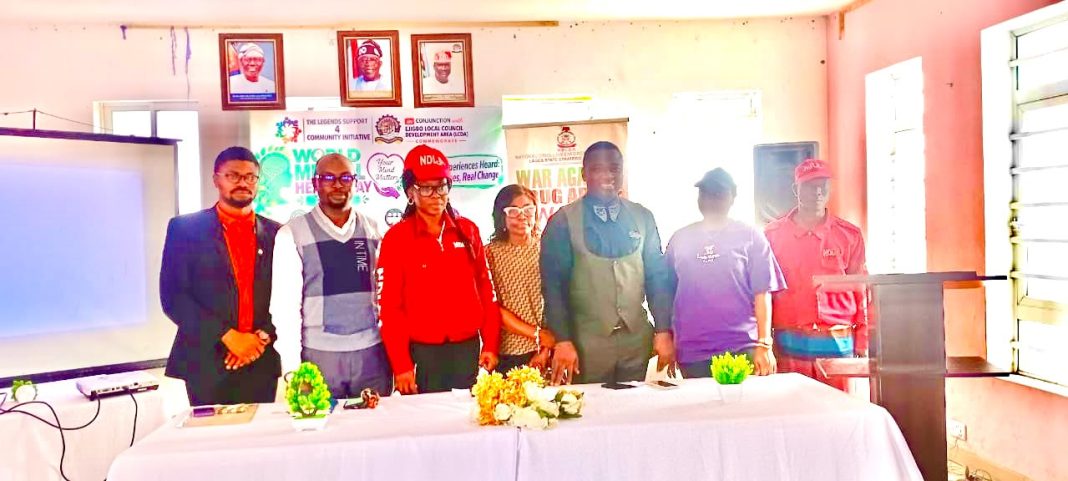
The warning was delivered by Dr. Akinlade Olatunbosun, a medical doctor, mental health advocate and consultant at Lagos State University Teaching Hospital (LASUTH), during the third edition of the World Mental Health Day programme organised by The Legends Support 4 Community Initiative. 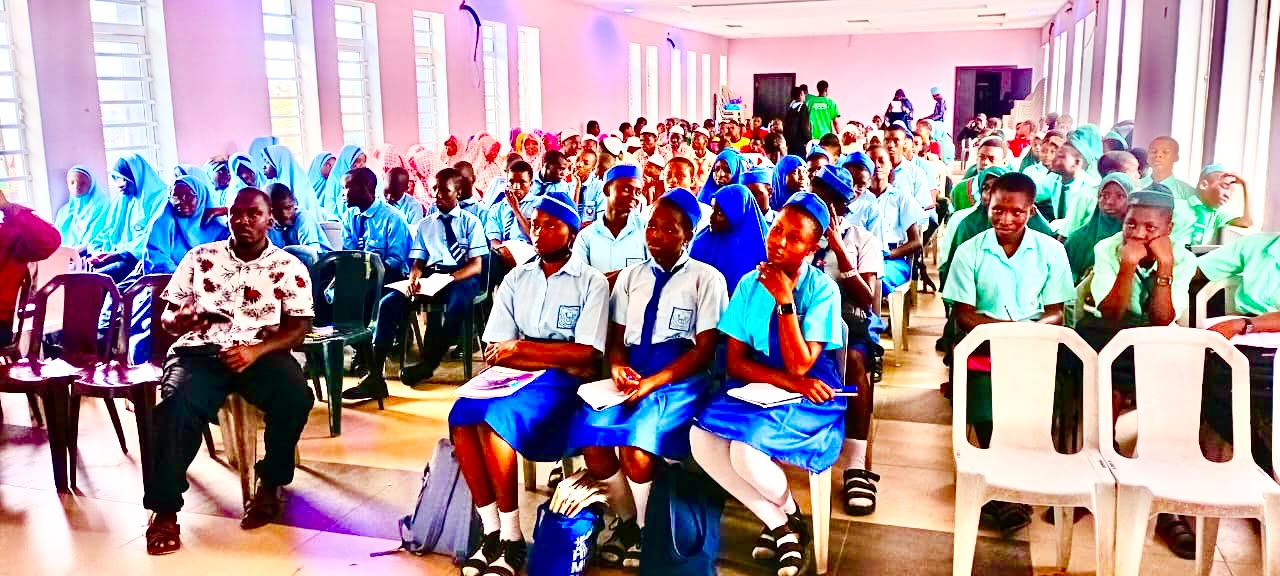
The event, held on Thursday, October 8, 2026, in collaboration with Ejigbo Local Council Development Area (LCDA), attracted 168 students from nine schools, alongside their teachers, government representatives, community stakeholders and other participants.
Speaking on the topic, “Social Media and Mental Health: Balancing Digital Engagement, Wellbeing and Academic Success,” Dr. Akinlade challenged students to examine their relationship with digital platforms and consider whether their online activities were contributing positively to their lives.
 He posed a question that captured the central message of his presentation: “The problem is not that social media exists, but the question is: Are you using social media, or is social media using you?”
The medical expert explained that social media can provide opportunities for learning, communication and self-expression, but excessive engagement may create problems when it begins to interfere with other important aspects of a young person’s life.
He particularly highlighted the psychological effects of comparing oneself with people encountered online, explaining that constant exposure to carefully presented images and lifestyles could negatively affect self-esteem and leave some young people feeling unattractive, unsuccessful or anxious.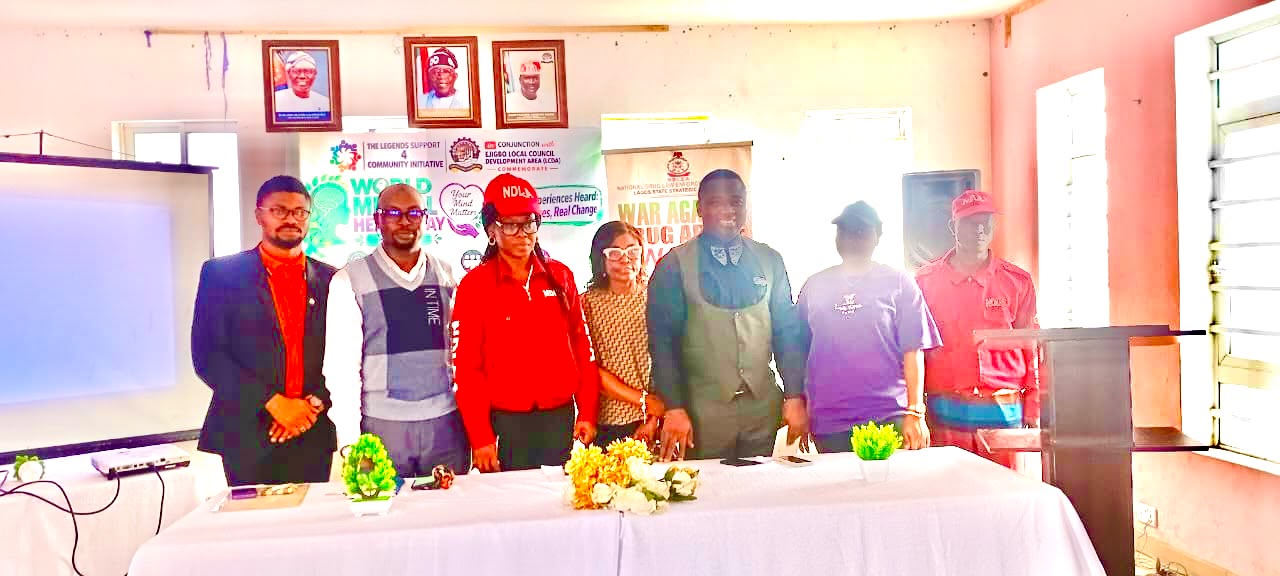
Dr. Akinlade also drew attention to prolonged social media use, particularly late at night, warning that poor digital habits can disrupt sleep and undermine students’ ability to concentrate on their academic responsibilities.
His presentation encouraged students to become more deliberate about the time they spend online and to recognise when digital engagement begins to interfere with their personal wellbeing, relationships or education.
The discussion reflected the theme of the programme, “Lived Experiences Heard: Real Voices, Real Change,” which emphasised the importance of listening to young people, understanding the challenges they face and creating opportunities for informed conversations about mental health.
In his welcome address, Comrade Sulaimon Ijaoba, President of The Legends Support 4 Community Initiative, said the programme was designed to remind participants that mental health is an essential component of overall wellbeing and that young people should have safe spaces to speak about their experiences without fear of judgement.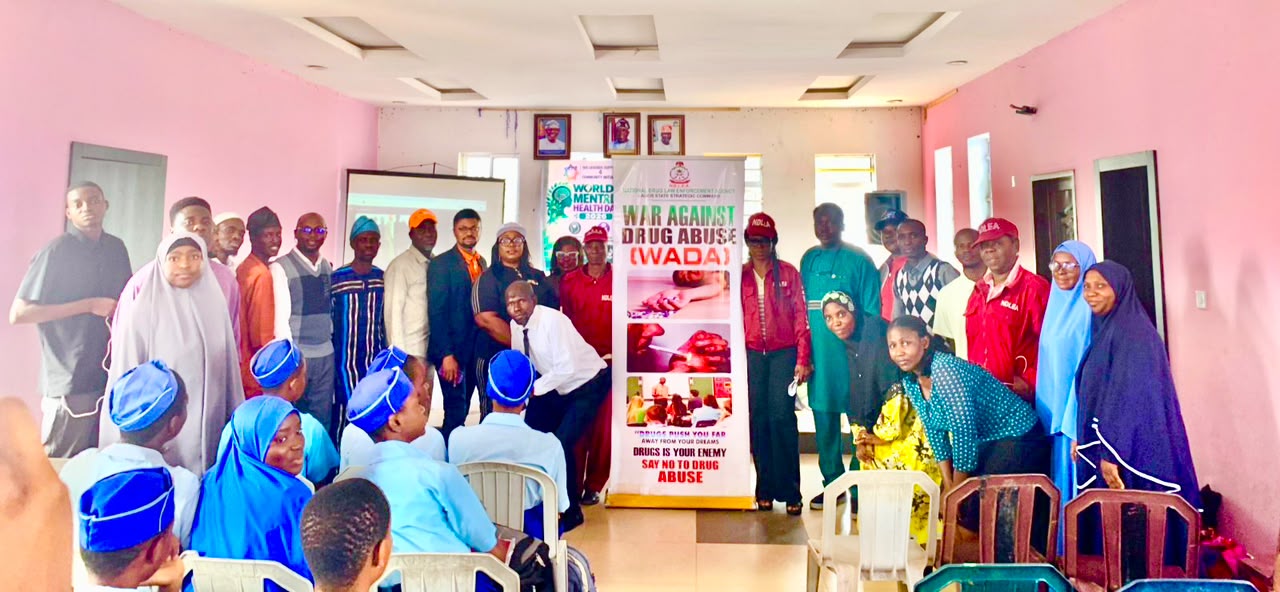
He encouraged students experiencing emotional, academic or social difficulties to speak to trusted individuals and seek appropriate assistance, stressing that asking for help is a sign of courage rather than weakness.
The programme also featured presentations on drug abuse, personal safety, cybercrime, cultism and responsible citizenship, bringing together medical and law enforcement perspectives on issues affecting young people.
Hon. Saheed Kasumu, Supervisor for Health at Ejigbo LCDA, commended the initiative for promoting mental health awareness and appreciated the council chairman, Aare Taoheed Adebayo Taiwo, for providing the venue and refreshments for participants and resource persons.
The event concluded with the presentation of certificates to participating schools, reinforcing the organisers’ commitment to encouraging schools and communities to take a more active role in promoting the wellbeing of young people.
The Legends Support 4 Community Initiative said it remained committed to creating platforms that equip young people with the knowledge and guidance needed to make informed decisions, protect their mental health and build healthier futures.