


By Emmanuel Ikpeama
Polaris Bank Limited has reaffirmed its commitment to promoting ethical journalism and strengthening media professionalism with the successful hosting of the 12th edition of its Annual Media Capacity Seminar, a flagship initiative that has equipped more than 6,200 journalists across Nigeria with contemporary reporting skills over the past 12 years.
The virtual seminar, held via Microsoft Teams, attracted over 650 journalists, editors, publishers, media executives and communication professionals from across the country.
This year’s edition, themed “Rebuilding Trust and Reinventing Storytelling in the Age of AI,” focused on preparing media professionals to navigate the opportunities and challenges presented by artificial intelligence while upholding the highest standards of journalism.
With the latest edition, Polaris Bank’s annual seminar has now empowered over 6,200 journalists, reflecting the bank’s sustained investment in media development, professional excellence and responsible journalism.
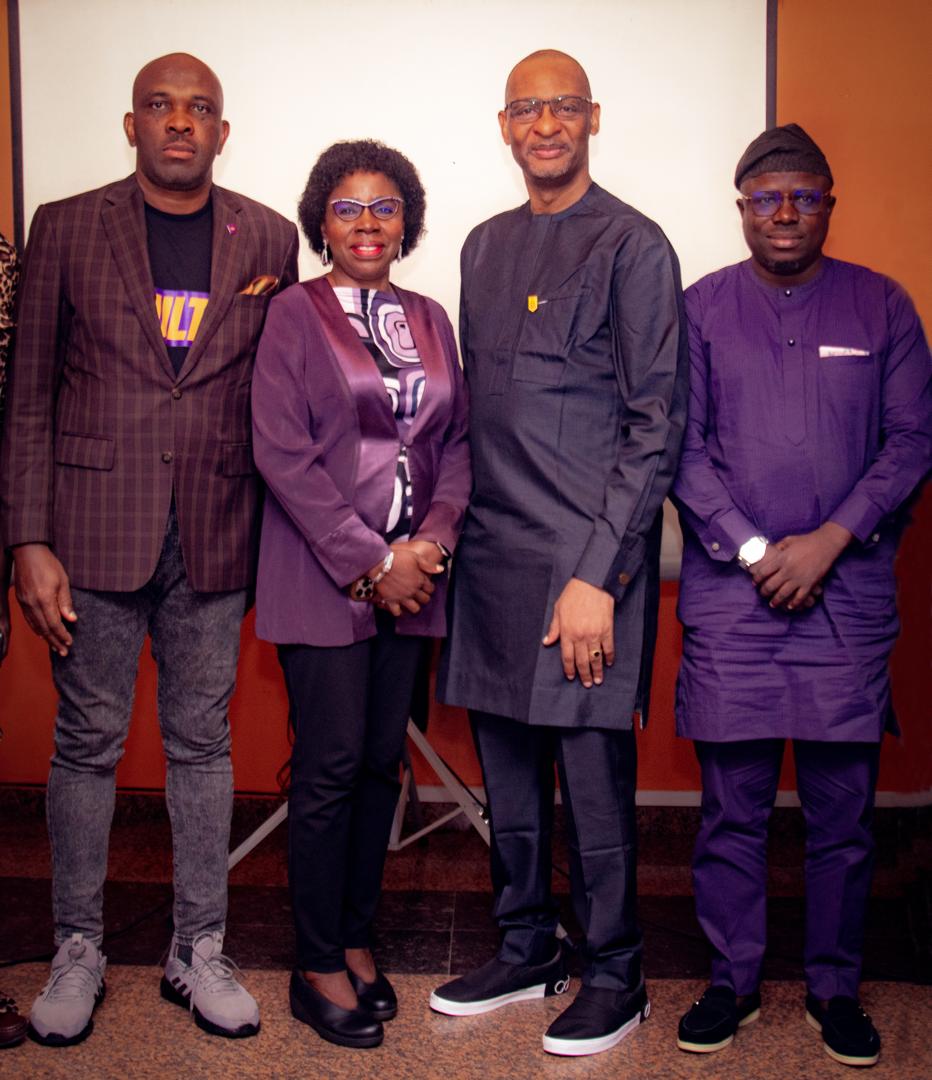
The event featured two renowned experts who provided practical insights into the evolving media landscape. Professor Abigail Ogwezzy-Ndisika, Professor of Mass Communication at the University of Lagos, delivered a presentation on “The Trust Economy: Strengthening Credibility Across Media and Financial Institutions,” while Olufemi Awoyemi, mni, Chairman of Proshare, examined “AI in Newsrooms: Opportunities for Smarter Storytelling and Faster Reporting.”
The speakers highlighted the transformative role of artificial intelligence in journalism while emphasizing that credibility, accuracy and ethical reporting must remain the foundation of media practice.
Speaking at the seminar, Polaris Bank’s Managing Director and Chief Executive Officer, Kayode Lawal, described journalism as a vital pillar of national development and stressed the importance of maintaining public trust as technology reshapes the information ecosystem.
According to him, trust remains the foundation of meaningful relationships between financial institutions, the media and the public, noting that preserving credibility has become even more important as artificial intelligence continues to influence how news is created, distributed and consumed.
Lawal, who was represented by the bank’s Head of Brand Management and Corporate Communication, Rasheed Bolarinwa, said Polaris Bank would continue investing in initiatives that equip journalists with the knowledge, digital competencies and ethical values required to thrive in a rapidly changing media environment.
He noted that for more than a decade, the Annual Media Capacity Seminar has demonstrated the bank’s unwavering belief that a professional, well-equipped and responsible media is indispensable to democratic accountability, economic growth and national development.
The Managing Director further urged media practitioners to embrace innovation without compromising editorial integrity, adding that responsible use of artificial intelligence would help strengthen public confidence in journalism.
He also commended the over 650 journalists and media professionals who participated in the seminar and encouraged them to apply the knowledge gained to promote factual, balanced and impactful reporting.
Throughout the seminar, participants explored practical strategies for combating misinformation, preserving editorial independence, leveraging artificial intelligence responsibly and rebuilding public confidence in journalism amid rapid technological change.
The discussions underscored the growing importance of trust as a strategic asset for media organisations, businesses, public institutions and society.
Over the past 12 years, Polaris Bank’s Annual Media Capacity Seminar has become one of Nigeria’s leading private-sector initiatives dedicated to advancing ethical journalism, encouraging innovation and fostering stronger collaboration between the financial services industry and the media.
The bank reaffirmed its commitment to sustaining the initiative as part of its broader vision of promoting responsible journalism, strengthening media professionalism and contributing to the development of a more informed, resilient and trustworthy society.