


Emmanuel Clement
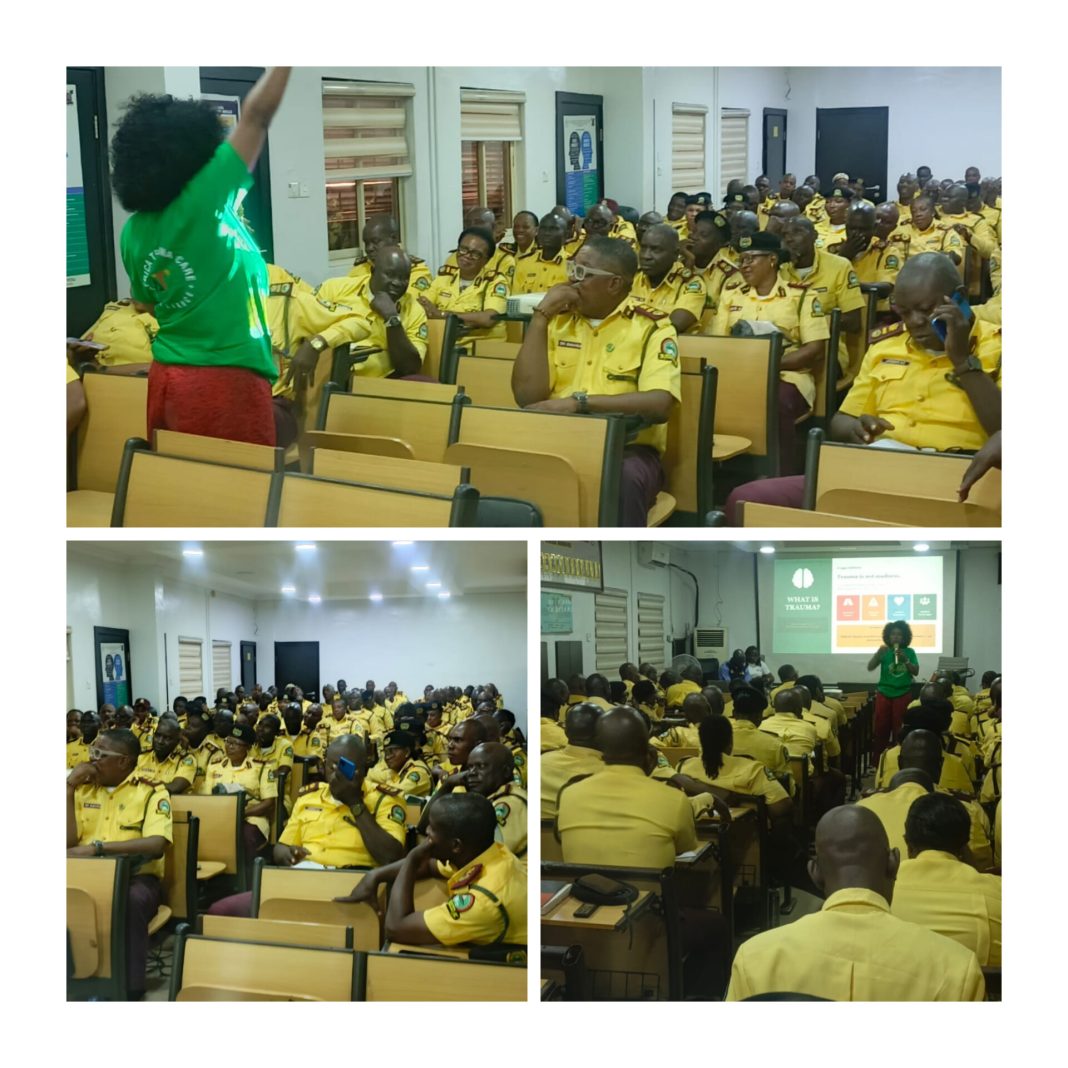
The Lagos State Traffic Management Authority (LASTMA), in collaboration with the African Trauma Care Alliance (ATCA), has organised a two-day Trauma-Informed Care Workshop for Principal Officers at the LASTMA Training Institute in Oshodi as part of activities commemorating the 2026 International Mental Health Awareness Month.
The workshop, themed “Restoring Minds and Building Trauma-Informed Communities,” was facilitated by trauma expert and Founder of ATCA, Professor Akindotun Meiro, and focused on deepening participants’ understanding of traumatic stress, emotional intelligence, psychological wellness, and the importance of building compassionate and emotionally responsive institutions.
Speaking during the opening session, the General Manager of LASTMA, Olalekan Bakare-Oki, stressed the importance of prioritising mental health and emotional well-being among public officers who routinely operate in stressful and high-risk environments.
According to him, LASTMA personnel are regularly exposed to traumatic incidents, including fatal road crashes, emergency rescue operations, hostile confrontations with motorists, and other emotionally demanding situations, making trauma-informed care and psychological support essential for effective service delivery.
Bakare-Oki described the workshop as a strategic investment in the emotional resilience and professional development of officers, noting that equipping personnel with adaptive coping mechanisms and empathetic leadership skills would enhance workplace productivity and institutional efficiency.
He also commended Professor Meiro, mental health professionals, and advocacy groups for spearheading what he described as a timely and transformative initiative aimed at strengthening emotional wellness and institutional resilience.
Delivering her lecture, Professor Meiro revealed that nearly one out of every three people globally experiences a mental health condition during their lifetime, with trauma identified as a major contributing factor.
She highlighted several triggers of traumatic stress, including economic hardship, political instability, gender-based violence, kidnapping, domestic abuse, armed conflicts, and communal crises, warning that untreated trauma could lead to severe emotional and physical health complications.
The workshop further examined the relationship between emotional wellness and physical health, with facilitators emphasising the need for accessible and inclusive mental healthcare services within workplaces and communities.
Professor Meiro also noted that the annual Traumatic Stress Awareness Walk, championed by the Jars Education Group in partnership with ATCA and international collaborators, has grown into a global advocacy movement supporting trauma survivors across Africa, the United Kingdom, and the United States.
Participants at the workshop described the initiative as a significant step toward promoting empathy, emotional healing, and supportive environments capable of helping trauma survivors recover and thrive.
The programme concluded with renewed calls on governments, healthcare professionals, organisations, educators, and community leaders to intensify mental health advocacy, tackle societal stigma, and expand support systems for individuals living with traumatic stress.