


………Rejects Dr. Jonathan Nnaji’s One-Man BoT, Calls for Unity, Constitutional Order and Grassroots Expansion
By Emmanuel Clement
LAGOS, June 24, 2026 — In a landmark move aimed at strengthening institutional governance, restoring constitutional order and deepening grassroots participation, the General Assembly of the Igbo Speaking Community (ISC) in Lagos State has reconstituted its Board of Trustees (BoT), rejecting what members described as the continued operation of a “one-man Board of Trustees” and reaffirming the supremacy of the organisation’s constitution.
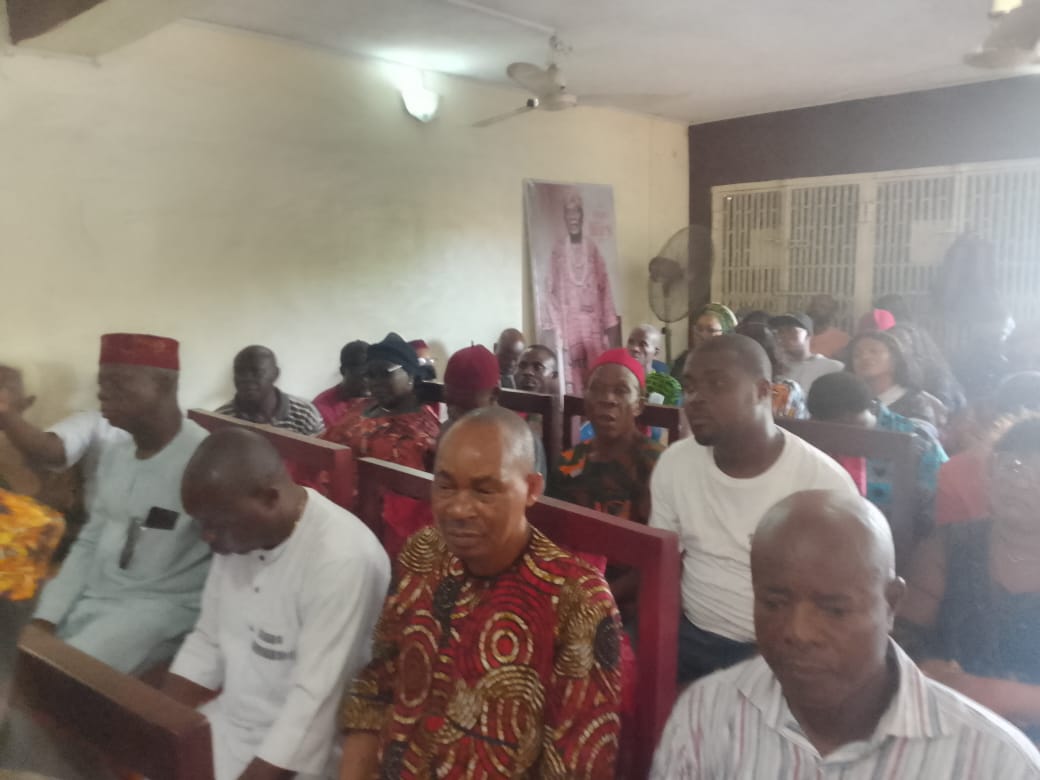
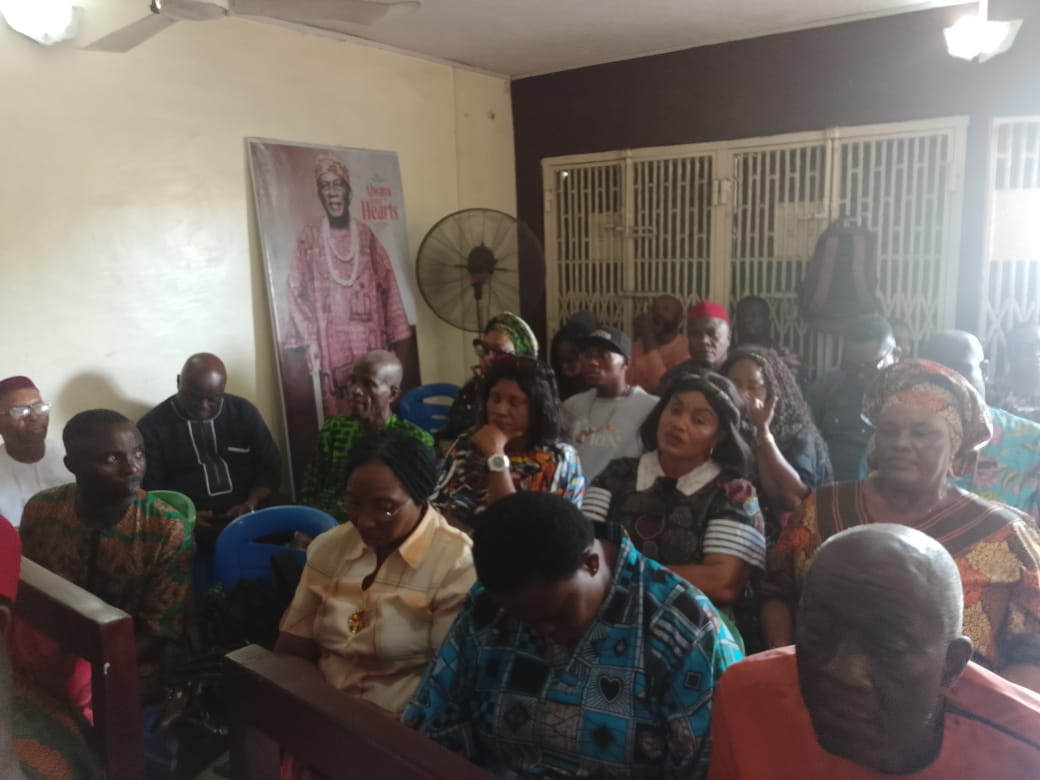
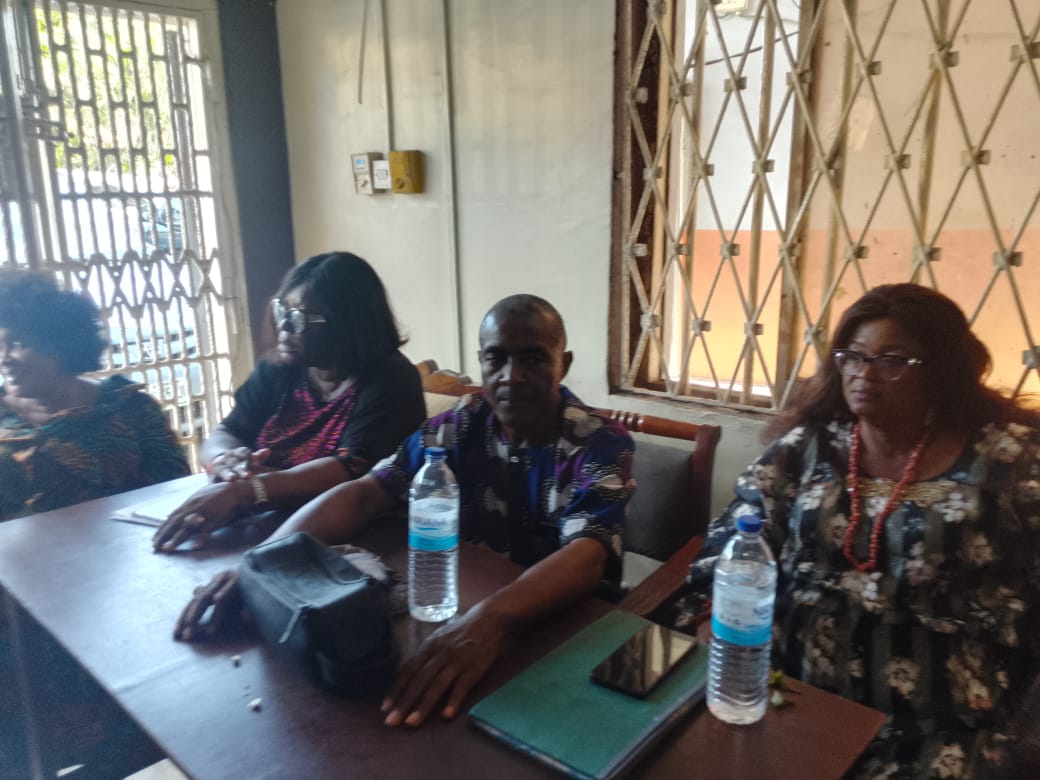
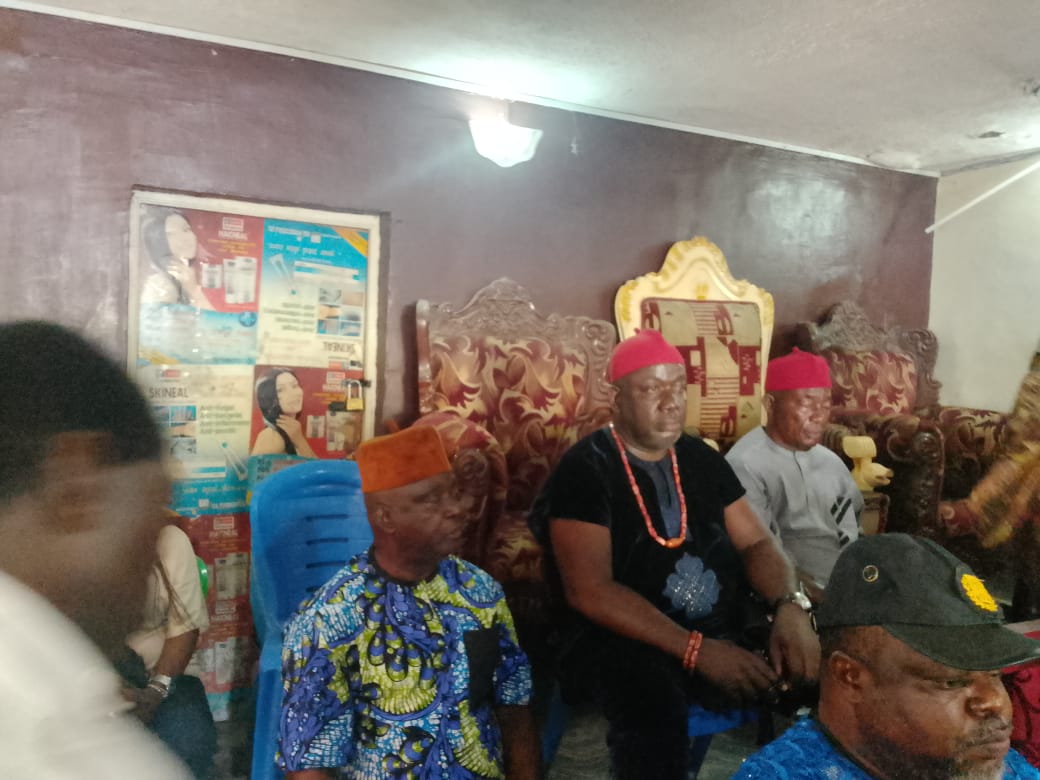
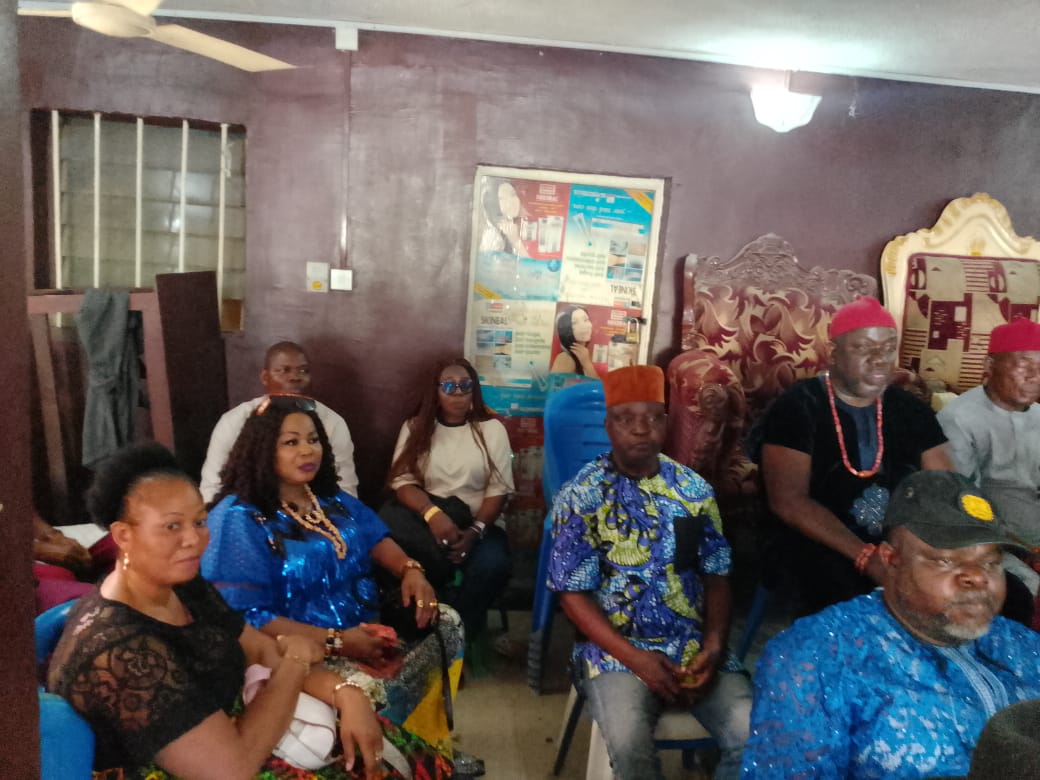
The decision was reached during the Community’s quarterly General Assembly held at its headquarters on Okanlawon Ajayi Street, Masha, Lagos, where traditional rulers, elders, executive members, local chapter leaders, youth and women representatives, as well as other stakeholders gathered to deliberate on issues affecting the organisation and the welfare of Ndigbo in Lagos State.
The meeting, described by participants as one of the most significant assemblies in the organisation’s recent history, focused on leadership reforms, constitutional compliance, reconciliation among previously divided groups, expansion of the organisation across Lagos State and preparations for forthcoming local chapter elections.
Investigations revealed that concerns surrounding the Board of Trustees had lingered within the community for years.
Stakeholders disclosed that out of the original 13 pioneer trustees, 10 had passed away while the remaining members had become largely inactive due to age and health-related challenges.
Many members argued that the development had rendered the board ineffective and created a leadership vacuum that required urgent intervention.
Some stakeholders further alleged that the affairs of the Board of Trustees had, for many years, been coordinated primarily by Dr. Jonathan Nnaji, a situation they said was inconsistent with the constitutional principle of collective leadership and institutional governance.
The issue dominated discussions at the General Assembly, where delegates engaged in extensive debates on the future of the board and the need to restore it to full constitutional strength.
The process began when Chief Iyke Okwuma of the Isolo Chapter, popularly known as “Omeokachie na Isolo,” moved a motion calling for the constitutional expansion and strengthening of the Board of Trustees.
According to him, the community could no longer continue to operate with a board that had lost most of its members and was no longer functioning effectively.
The motion received overwhelming support and was seconded by Chief Samuel Nzurumike of the Apapa-Iganmu Chapter.
During deliberations, several members advocated far-reaching reforms, while others insisted that constitutional procedures must be strictly followed.
One of the strongest interventions came from Elder Chima Akomas of the Elders Council, who questioned whether the leadership of the Board of Trustees should remain unchanged indefinitely despite the realities confronting the institution.
Akomas and some other stakeholders initially proposed stronger measures, including the suspension of the existing structure and a review of its leadership.
However, legal interpretations offered by Barrister Emeka Ukachi and Barrister Charles Onyeaku provided clarity on the constitutional position.
The lawyers explained that while the General Assembly possesses the authority to strengthen and reconstitute the Board of Trustees, any action taken must remain within the framework of the organisation’s constitution.
Their interpretation was widely applauded by delegates and eventually formed the basis of the Assembly’s final resolution.
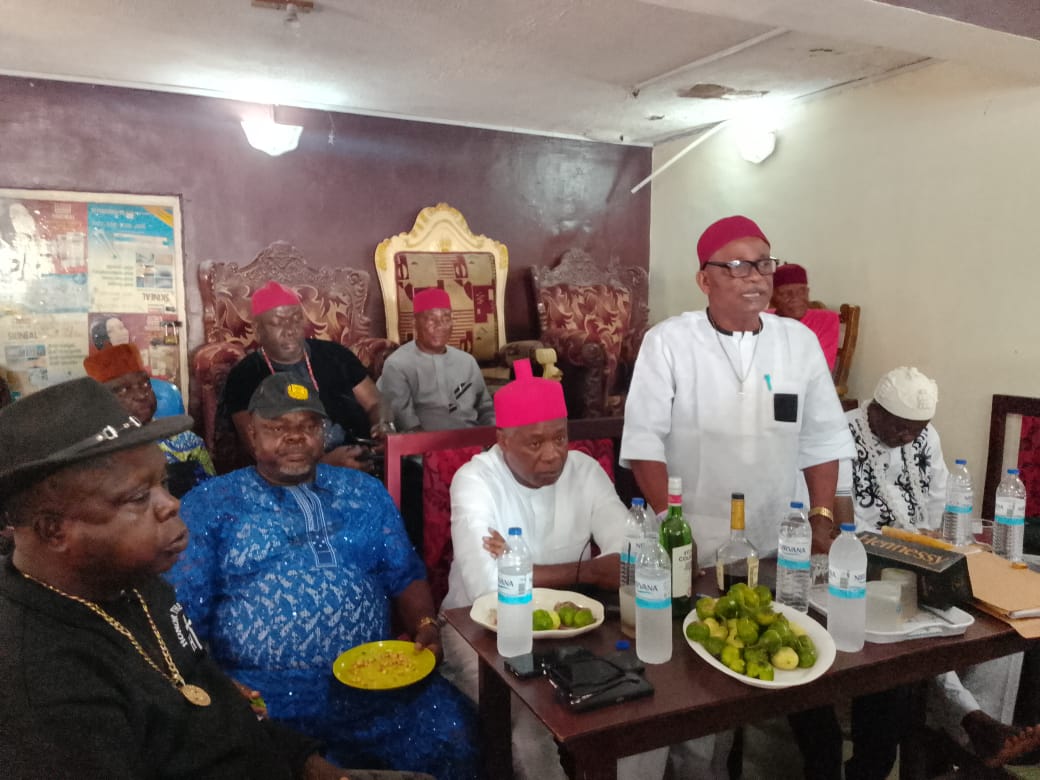
Addressing delegates, President-General of the Igbo Speaking Community, Chief Dr. Sunday Udeh, emphasized that the General Assembly remains the highest decision-making organ of the organisation.
According to him, all organs of the community derive their authority from the constitution and must operate strictly within its provisions.
“We must place the constitution above personal interests. Strong institutions are more important than individuals. Our responsibility is to build structures that will continue to serve Ndigbo long after we are gone,” he said.
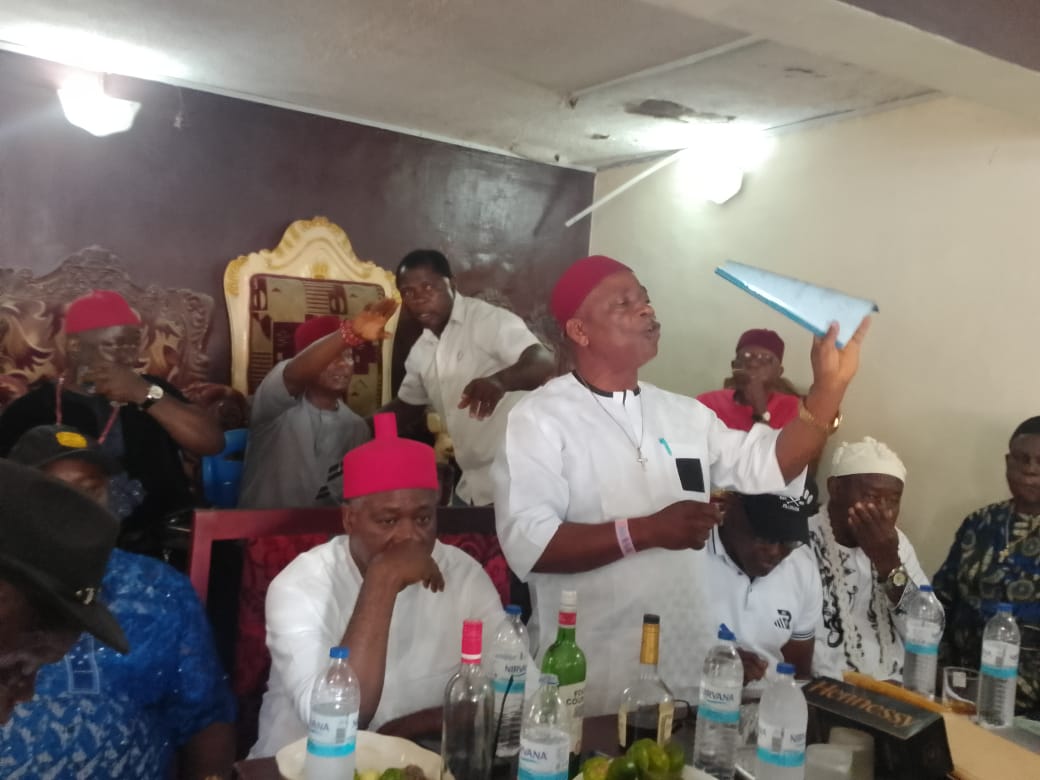
Chief Udeh noted that the administration had already inaugurated the Elders Council and was making arrangements for the formal inauguration of the Council of Chiefs as stipulated by the constitution.
He explained that the decision to strengthen the Board of Trustees became necessary because the board had lost most of its members through death and was no longer operating at full capacity.
Recalling the oath of office he took upon assuming leadership, Udeh urged members to resolve disagreements through dialogue, constitutional interpretation and democratic processes rather than confrontation and division.
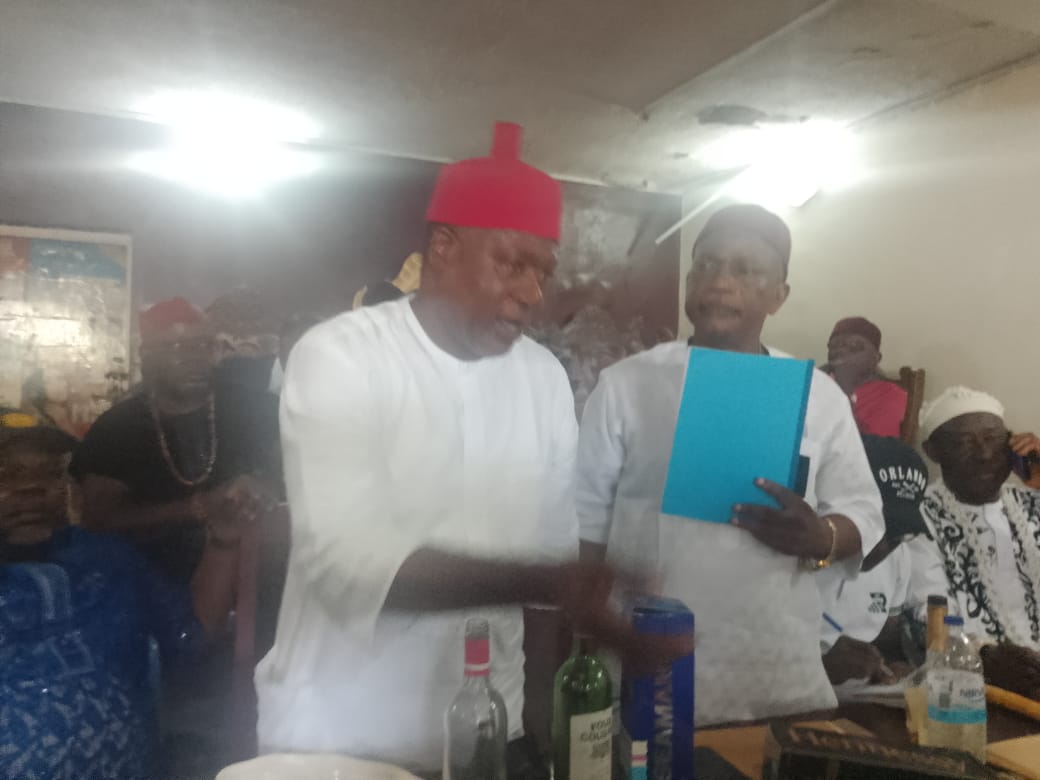
After extensive deliberations, the General Assembly unanimously adopted the recommendation to strengthen and reconstitute the Board of Trustees.
The Assembly subsequently approved a 20-member Board of Trustees in line with constitutional provisions.
Among those appointed were Chief Sunday Udeh, Chief Sunday Eze, Chief Agu Lawrence, Chief Dr. Foster Ihejiafor, Eze Stephen Agabiga, Eze C.C. Nwokedi, Chief Godwin Ojubigbo, Chief Dr. Daniel Chukwudozie, Chief Dr. Chika Okafor, Eze Boniface, Prince Joshua Nnanna Kalu and Chief Chris Ekwilo.
Others include Chief Mrs. Doris Okere, Hon. Chief Mrs. Ngozi Chukwuma, Chief Mrs. Kate Ugoka, Eze Dr. Alex Nwoye and Eze Dr. Moses Egwuatu.
Speaking with journalists after the meeting, Chief Udeh clarified that the Assembly did not dissolve the existing Board of Trustees but merely strengthened it to restore its effectiveness.
“Today is a great day because major decisions affecting the community are taken by the General Assembly. The President-General does not possess such powers alone. It is the General Assembly that speaks for the people.
“Out of the original 13 members of the Board of Trustees, 10 have passed on, one is about 95 years old and another is no longer actively involved. The board was therefore no longer functioning effectively.
“We simply strengthened the board in line with constitutional provisions. This is not politics; it is about continuity, stability and progress,” he stated.
Throughout the meeting, speakers repeatedly stressed the need for unity among Ndigbo in Lagos State and urged members to reject divisive tendencies.
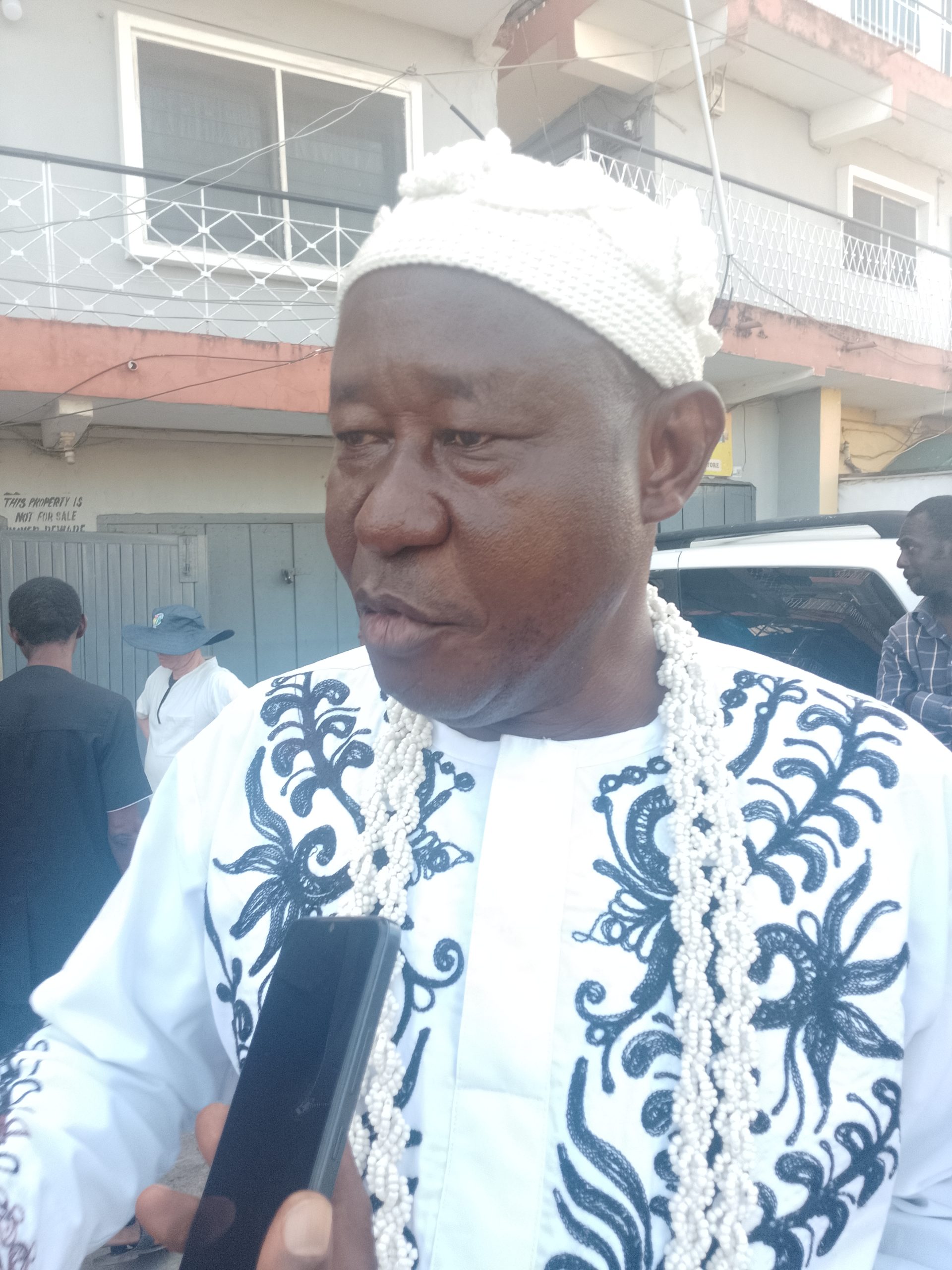
Chairman of the Elders Council, Eze Dr. John Chukwudi Nwosu, called on stakeholders to respect constitutional procedures and support the leadership.
“The constitution is clear and the lawyers have interpreted it accordingly. We must all respect due process and continue to maintain the cordial relationship that exists between Ndigbo and our host communities in Lagos State,” he said.
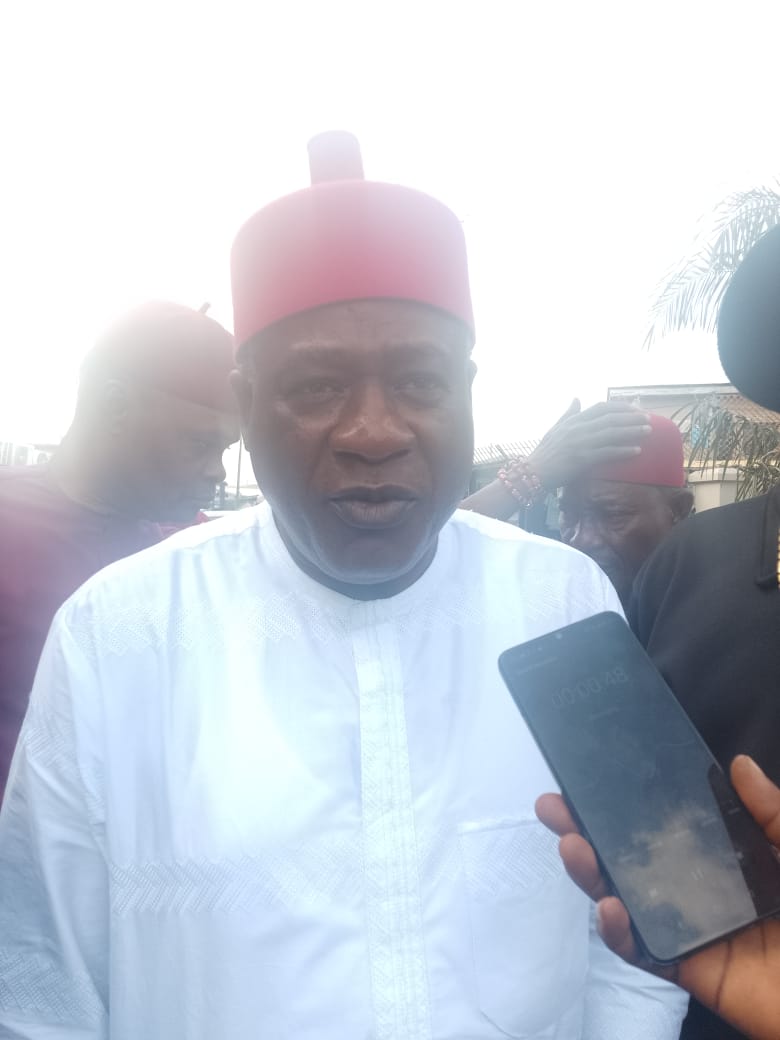
President of Ohanaeze Ndigbo Lagos State, Chief Leo Okafor (Oba Ojoto)also used the occasion to dismiss reports of rivalry between Ohanaeze Ndigbo and the Igbo Speaking Community.
“There is no division between us. We have agreed to work together. Whenever one organisation holds a meeting, the other will be represented. We are collaborating because our people deserve unity and purposeful leadership,” he said.
According to him, the President-General oversees the day-to-day administration of the community while the Board of Trustees performs advisory functions.Both institutions, he added, must work harmoniously for the benefit of Ndigbo.
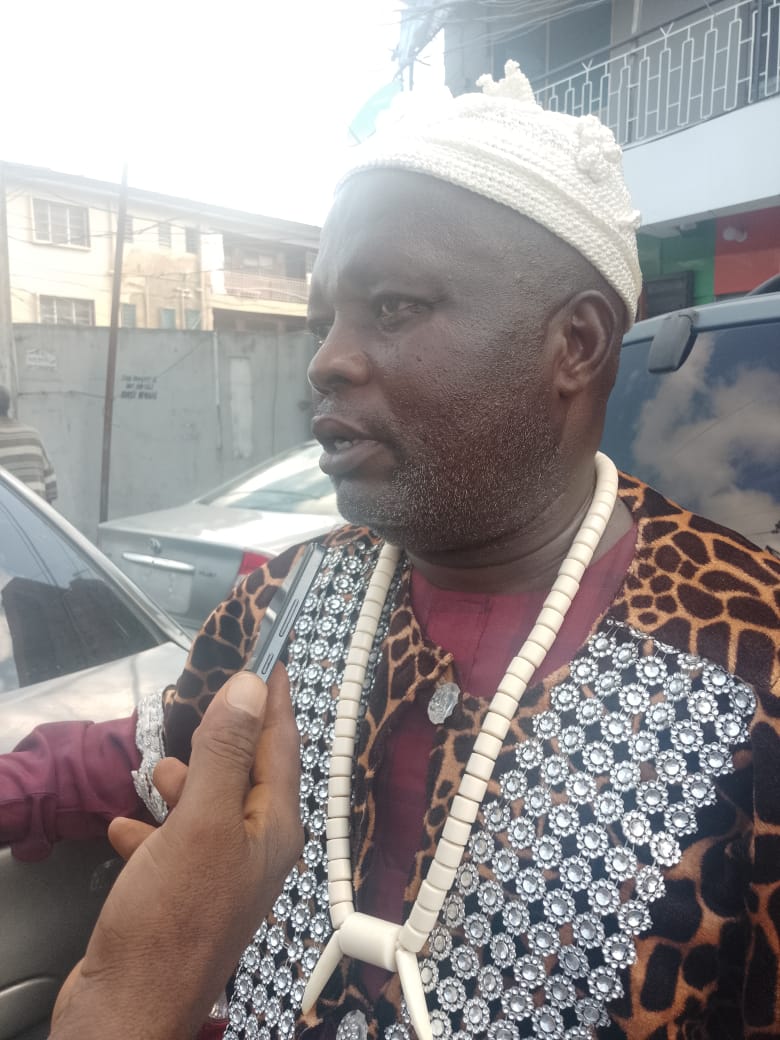
Similarly, the Eze Ndigbo of Ibeju-Lekki, Ambassador Moses Ohanugbo, described the reconciliation efforts as a positive development capable of strengthening the community.
“Peace remains the foundation of every successful community. My appeal is for Ndigbo to remain calm, focused and united,” he said.
Another major highlight of the meeting was the presentation by the Electoral Committee for the forthcoming Local Government and Local Council Development Area (LCDA) elections.
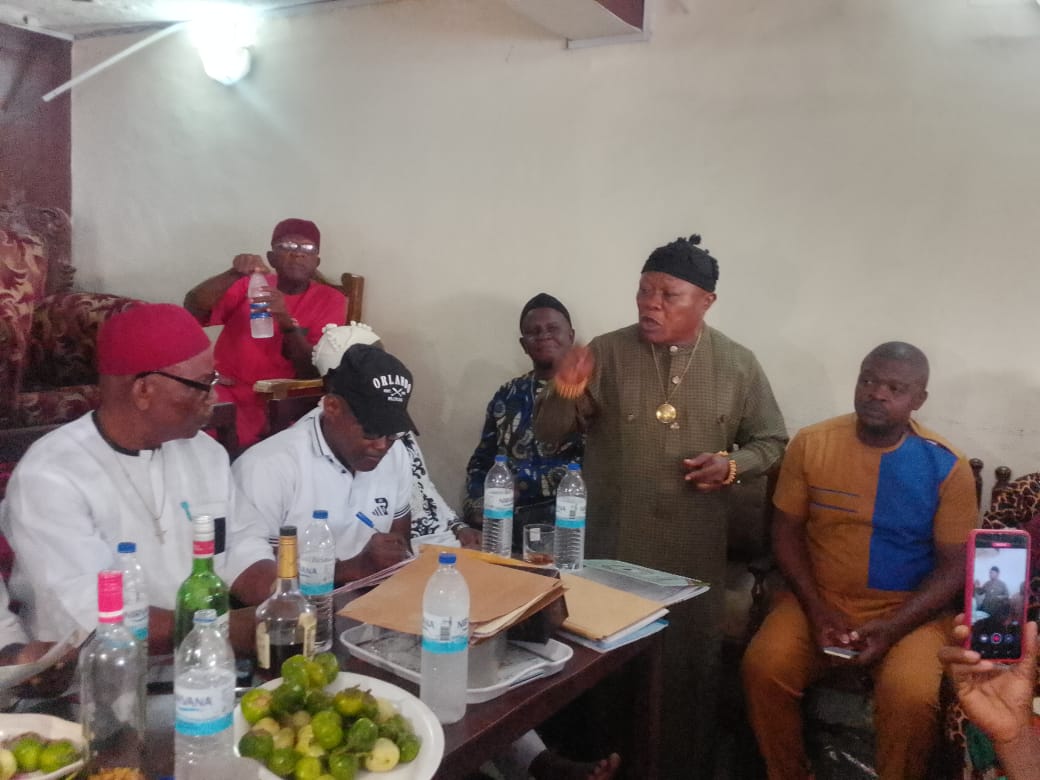
Chairman of the committee, High Chief Anselem Njoku, disclosed that the organisation currently operates in only 14 of Lagos State’s 57 Local Governments and LCDAs.
He said the committee had developed an ambitious expansion strategy aimed at extending the organisation’s presence to at least two-thirds of the councils before eventually covering all 57 councils in the state.
“The growth of this organisation depends on grassroots participation. We cannot claim to represent Ndigbo in Lagos if our structures are absent in most local councils.
“Our vision is to establish functional chapters across the state and ensure every Igbo resident has a voice,” he stated.
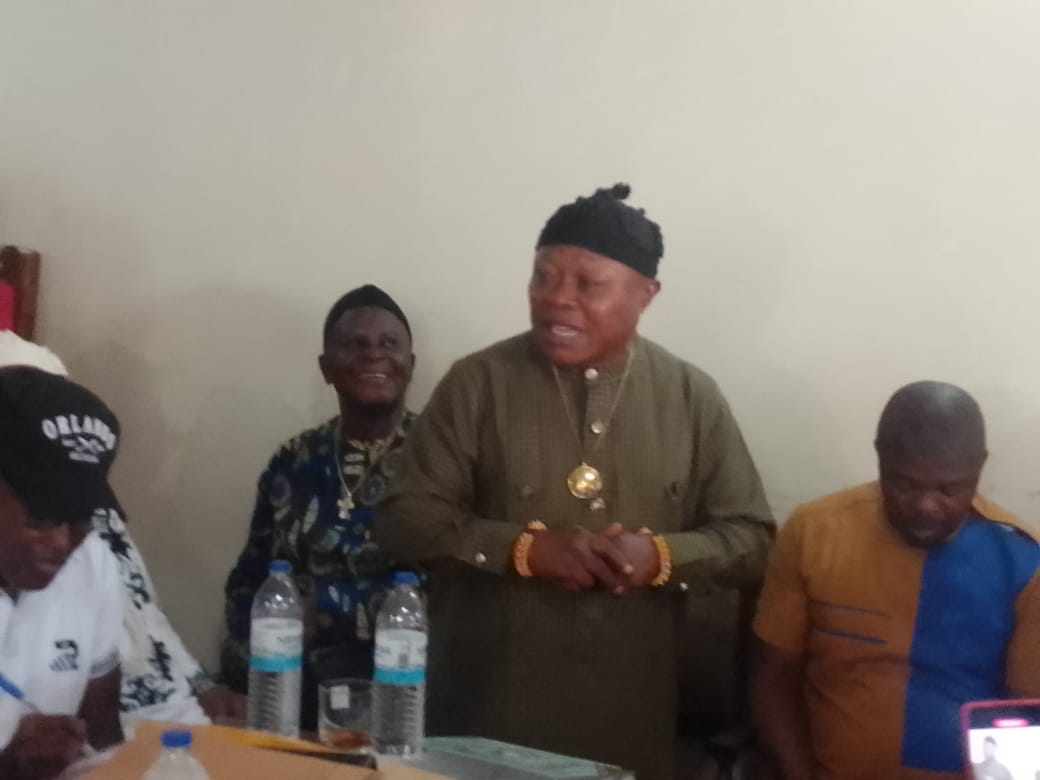
Njoku noted that recent reconciliation efforts among previously divided groups would strengthen the electoral process and guarantee broader participation.
Secretary of the Electoral Committee, Hon. Chuks Odimegwu, announced that the sale and submission of nomination forms would close on July 25, 2026, while elections would be held on July 30, 2026.
The General Assembly also witnessed the presentation of a brand-new generator set to the organisation by the Elders Council.
Members applauded the donation, describing it as a demonstration of the elders’ commitment to supporting the administration and strengthening the community’s operational capacity.
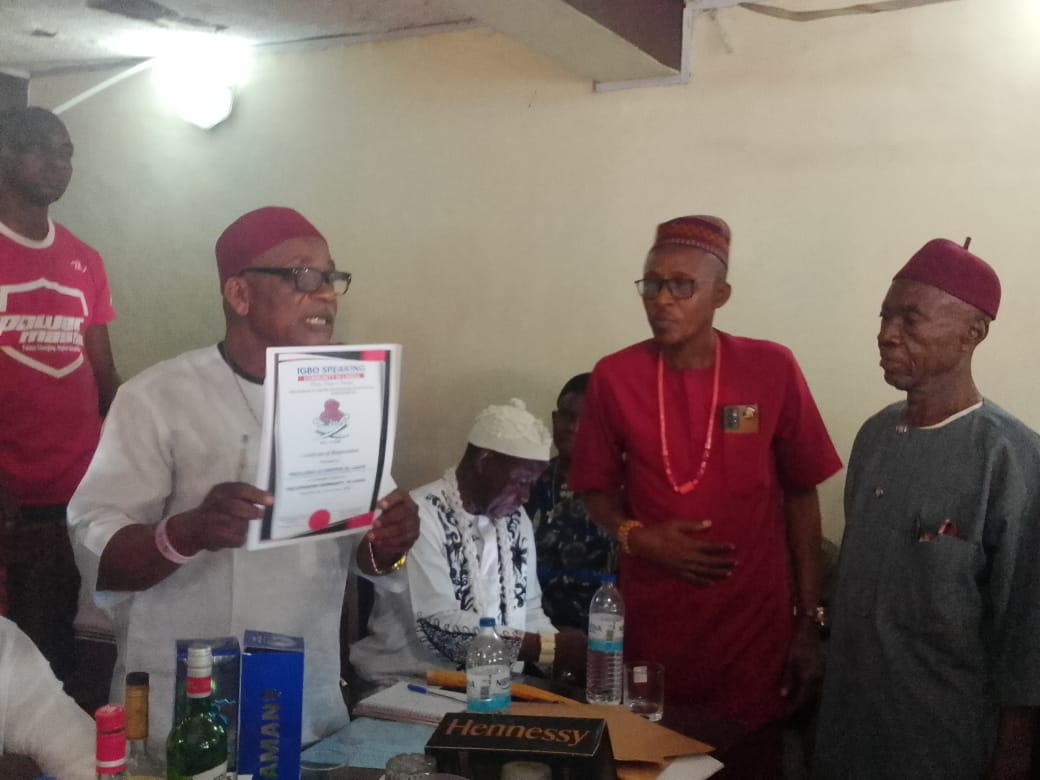
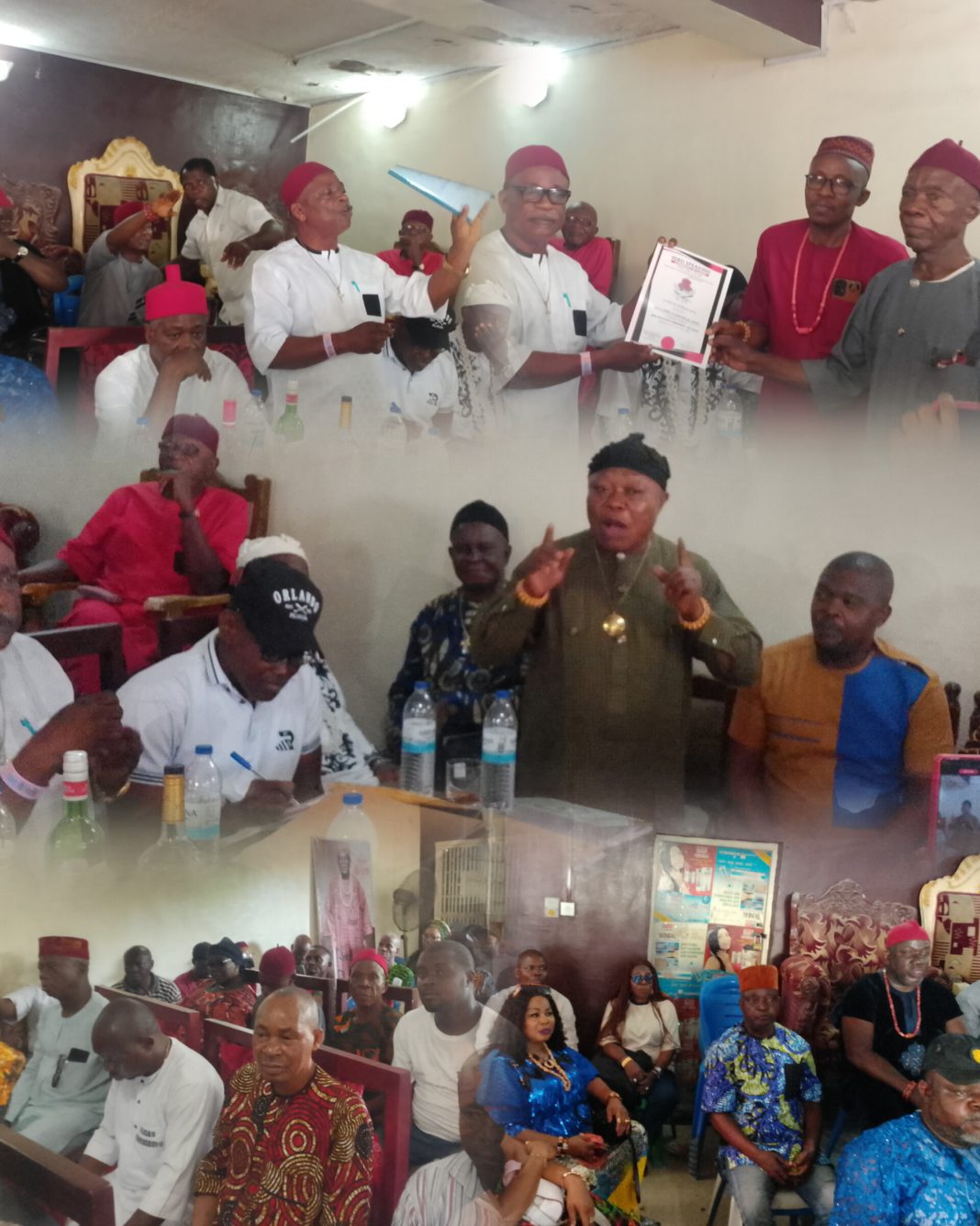
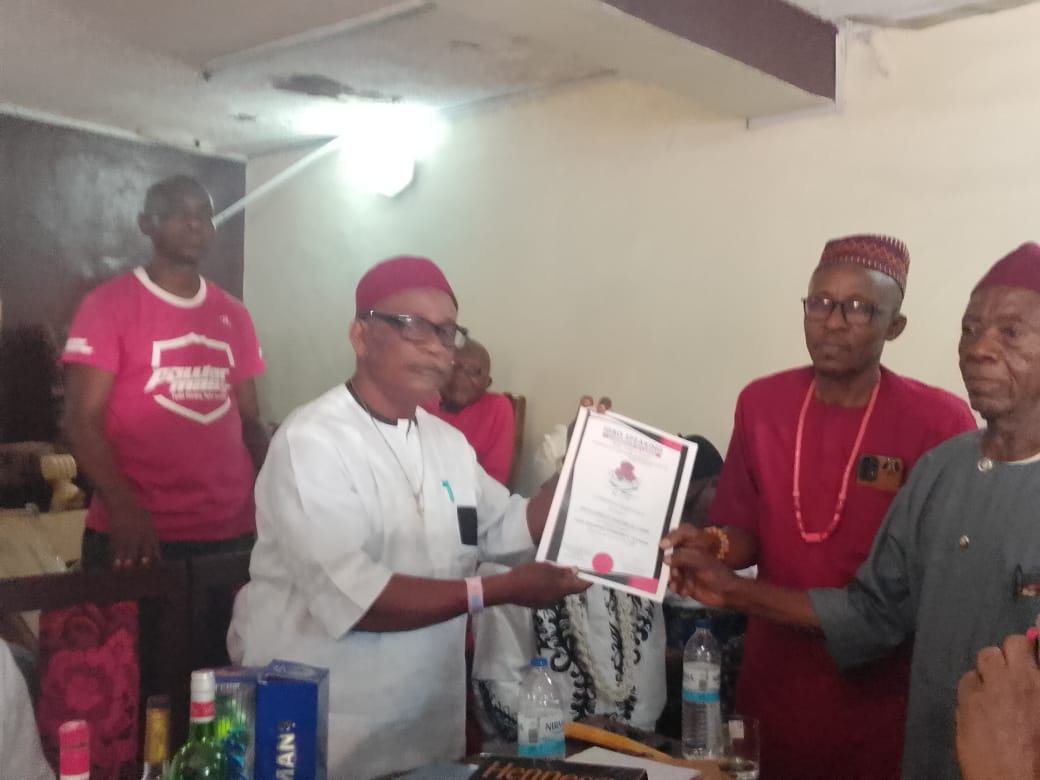
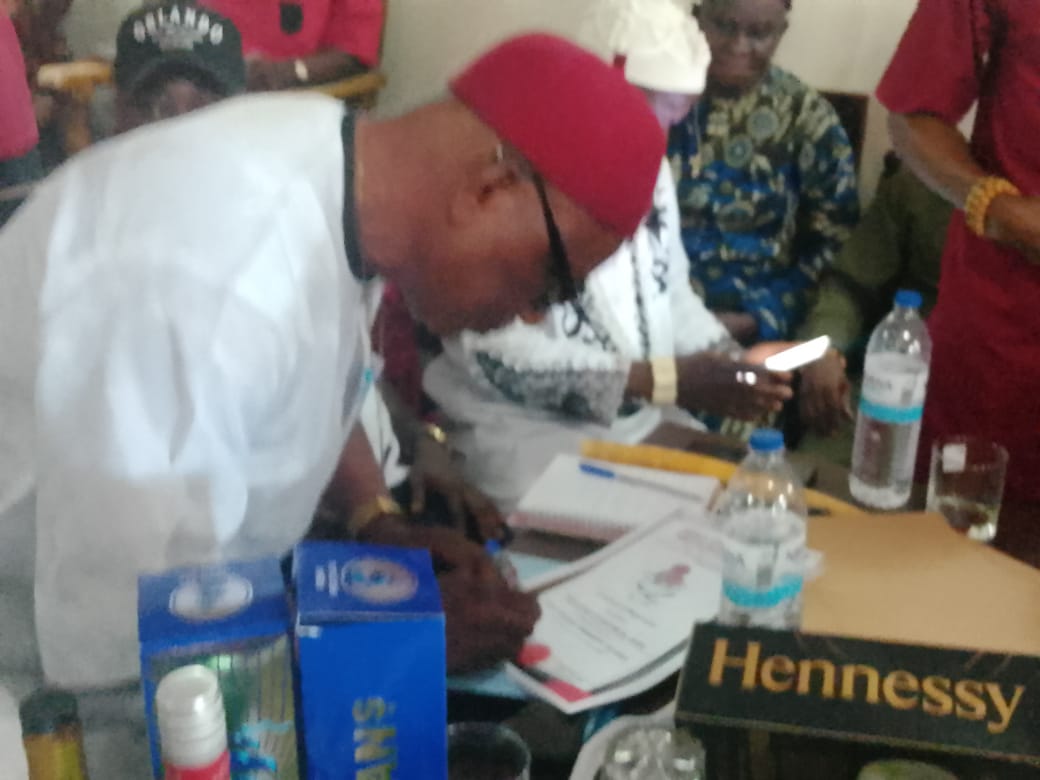
Another milestone recorded during the meeting was the formal inauguration of the Ibeju-Lekki Local Government Chapter of the Igbo Speaking Community.
Certificates of office were presented to the Acting Chairman and Acting Secretary of the newly established chapter as part of the organisation’s ongoing grassroots expansion drive.
As proceedings came to an end, stakeholders unanimously resolved to support the newly reconstituted Board of Trustees, deepen reconciliation efforts and strengthen the organisation’s democratic institutions.
Observers described the outcome of the meeting as a significant victory for constitutionalism, dialogue and collective leadership, noting that a longstanding governance challenge had been resolved through peaceful deliberation rather than confrontation.
For many participants, the reconstitution of the Board of Trustees represents more than an administrative exercise; it signals the beginning of a new chapter in the effort to build a stronger, more united and more representative Igbo Speaking Community in Lagos State.
Leaders maintained that constitutional order, inclusiveness, peaceful coexistence and strong grassroots structures remain the pillars upon which the future of Ndigbo in Lagos must be built.