
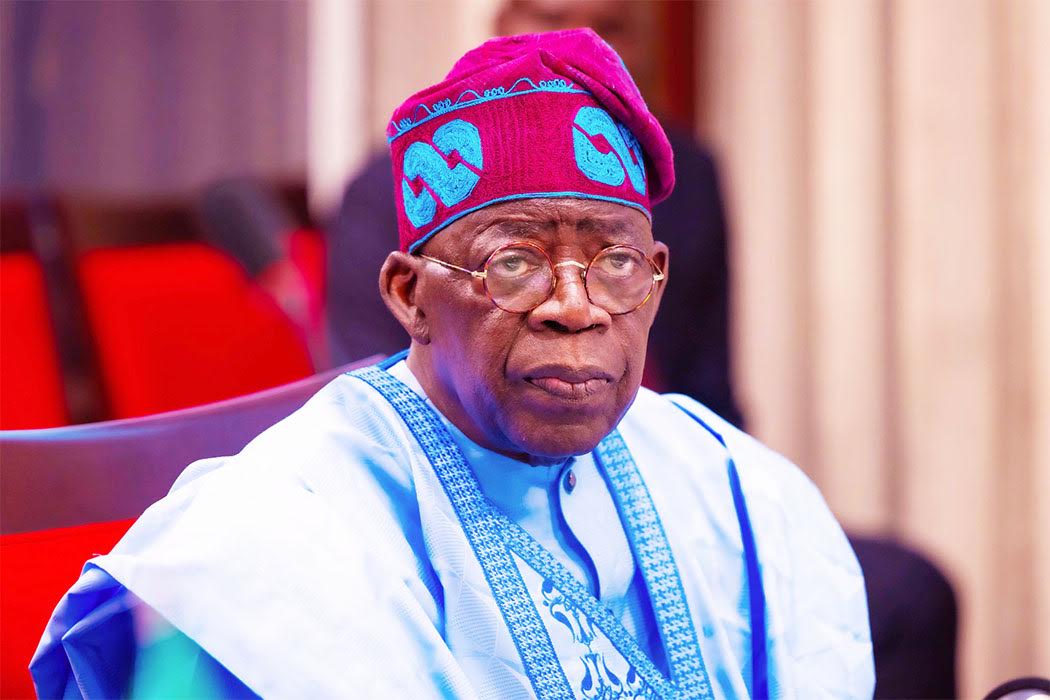


……..Reaffirms Commitment to Security, Economic Growth.
Emmanuel Clement
President Bola Ahmed Tinubu has declared that the present generation of Nigerians must move beyond securing political freedom and focus on achieving economic prosperity for all citizens, as the nation marks 27 years of uninterrupted democratic governance.
In his Democracy Day address on June 12, the President reflected on Nigeria’s democratic journey, paying tribute to the heroes and heroines whose sacrifices laid the foundation for the freedoms enjoyed today.
He emphasized that while the nation’s founding fathers secured independence and the June 12 generation fought for democracy, the responsibility of the current generation is to build a prosperous and economically secure nation.
“Every generation has a defining responsibility. The generation of our founding fathers secured independence. The generation of June 12 secured democracy. Our generation must secure prosperity,” Tinubu stated.
The President reaffirmed his administration’s commitment to strengthening democratic institutions, promoting national unity, and ensuring that democracy delivers tangible benefits to citizens through improved living standards, job creation, infrastructure development, and economic opportunities.
Highlighting ongoing economic reforms, Tinubu said his government has taken difficult but necessary decisions to stabilize the economy, restore investor confidence, and improve public finances.
According to him, federation revenues have increased significantly, enabling states and local governments to invest more in infrastructure, healthcare, education, and security.
He noted that investments are growing across critical sectors including agriculture, manufacturing, technology, mining, transportation, energy, and the creative industry.
The President also disclosed that non-oil exports recorded a 21 percent increase last year, while efforts are ongoing to boost domestic refining capacity and strengthen energy security.
On power sector reforms, Tinubu pointed to the implementation of the Electricity Act, which empowers states to generate, transmit, and distribute electricity.
He added that the Federal Government is working to reduce the metering deficit and expand access to electricity through rural electrification and mini-grid projects across underserved communities.
The President also used the occasion to reassure Nigerians of his administration’s determination to tackle insecurity across the country.
While expressing concern over recent incidents of kidnapping and terrorism, including the abduction of schoolchildren in parts of the country, he maintained that significant progress has been made in the fight against insurgency and violent crimes.
Tinubu revealed that the 2026 national budget allocates N5.41 trillion to defence and security, describing it as the highest security allocation in Nigeria’s history.
He further disclosed that over 13,000 terrorists were neutralized in the past year, while more than 124,000 fighters and their dependents have surrendered through Operation Safe Corridor since 2023.
The President warned bandits, kidnappers, and sponsors of terrorism to abandon their criminal activities or face the full force of the law, stressing that the government remains committed to protecting lives and property.
Speaking on local government administration, Tinubu reiterated his support for financial autonomy for Nigeria’s 774 local councils, arguing that effective grassroots governance is crucial to addressing insecurity and accelerating development at the community level.
The President also honoured prominent figures of the June 12 struggle, including Chief M.K.O. Abiola, Alhaja Kudirat Abiola, Chief Gani Fawehinmi, Chief Bola Ige, Chief Alfred Rewane, Dr Beko Ransome-Kuti, Frank Kokori, and several other pro-democracy activists whose sacrifices helped restore democratic rule in Nigeria.
As part of activities marking the anniversary, Tinubu announced national honours for dozens of activists, journalists, politicians, labour leaders, and military officers who played significant roles in the pro-democracy movement and endured persecution, imprisonment, and exile during the struggle for democratic governance.
He also announced the Federal Government’s decision to rename and revitalize the Institute of Petroleum Studies in Kaduna as the General Shehu Musa Yar’Adua University of Geological Sciences and Engineering Technology in honour of the late statesman and democracy advocate.
Calling on Nigerians to remain united despite current challenges, the President urged citizens to reject division, cynicism, and despair, while embracing hope, patriotism, and a shared commitment to national progress.
He expressed confidence that Nigeria’s diversity remains a source of strength and that the country will continue to overcome its challenges through democratic governance, collective sacrifice, and sustained economic reforms.
“As beneficiaries of the sacrifices of our democratic heroes, we must build a Nigeria where freedom is protected, justice is upheld, opportunity is expanded, and government remains accountable to the people,” the President said.
Tinubu concluded by reaffirming his administration’s resolve to deliver security, economic growth, and prosperity, ensuring that democracy is felt not only in the ballot box but also in the daily lives of Nigerians.